Arizona 3PL fulfillment with Foreign-Trade Zone advantages.

SKU Distribution operates an activated Foreign-Trade Zone facility in Mesa, with additional approved locations nearing activation. We help import-heavy businesses defer duties, preserve working capital and fulfill D2C, retail and B2B orders from one operation.

Duty deferral
Defer eligible duties until goods enter U.S. commerce
Re-export advantage
Avoid U.S. duties on qualifying goods re-exported from the FTZ
Weekly entry
Consolidate eligible customs entries and potentially reduce MPF costs
D2C, retail & B2B
Fulfill multiple sales channels from the same inventory operation
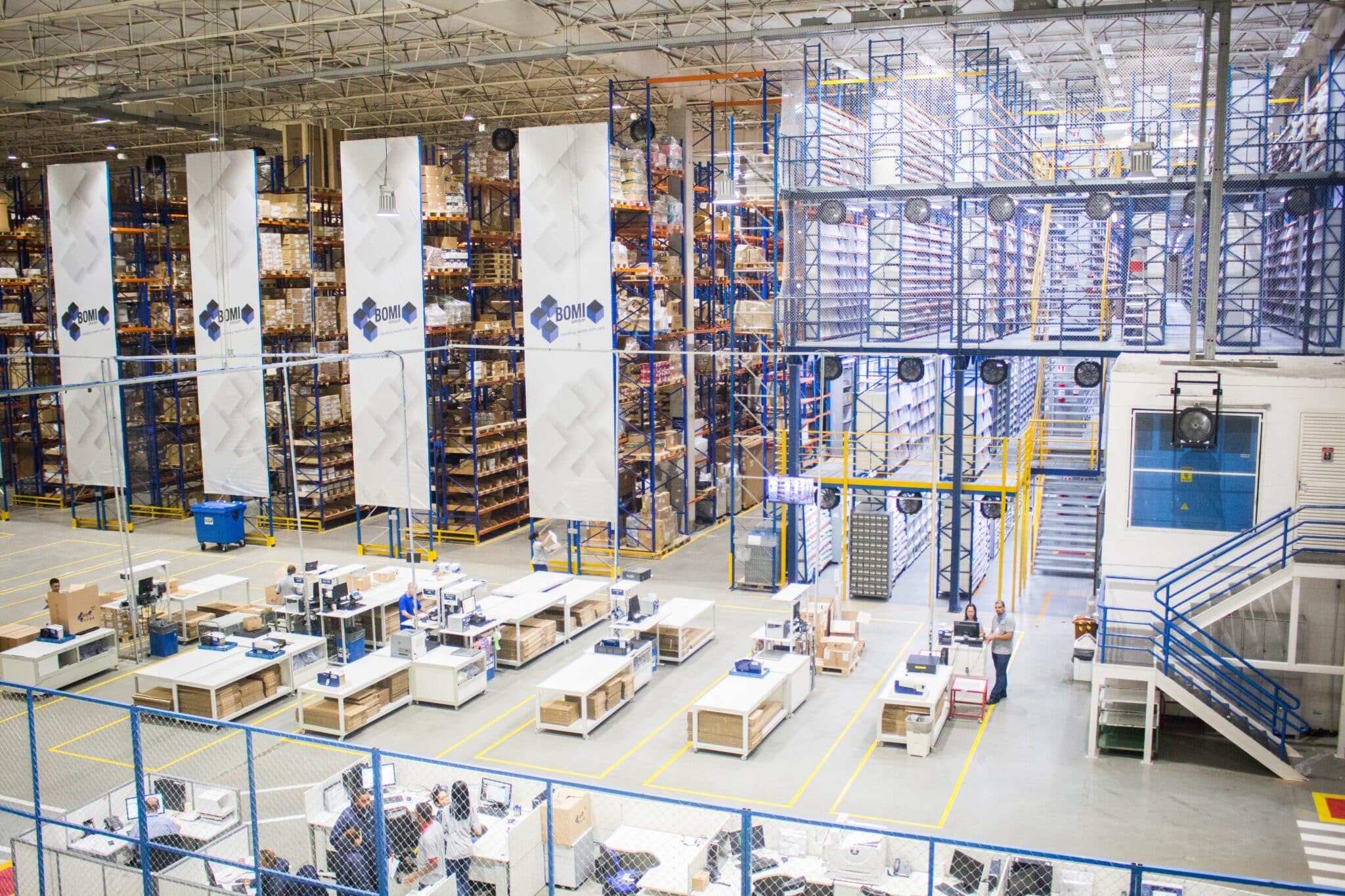
Warehouse racking and packing stations inside SKU Distribution's Foreign Trade Zone facility in Mesa, Arizona

Why pay duties today on inventory you may not sell for months?

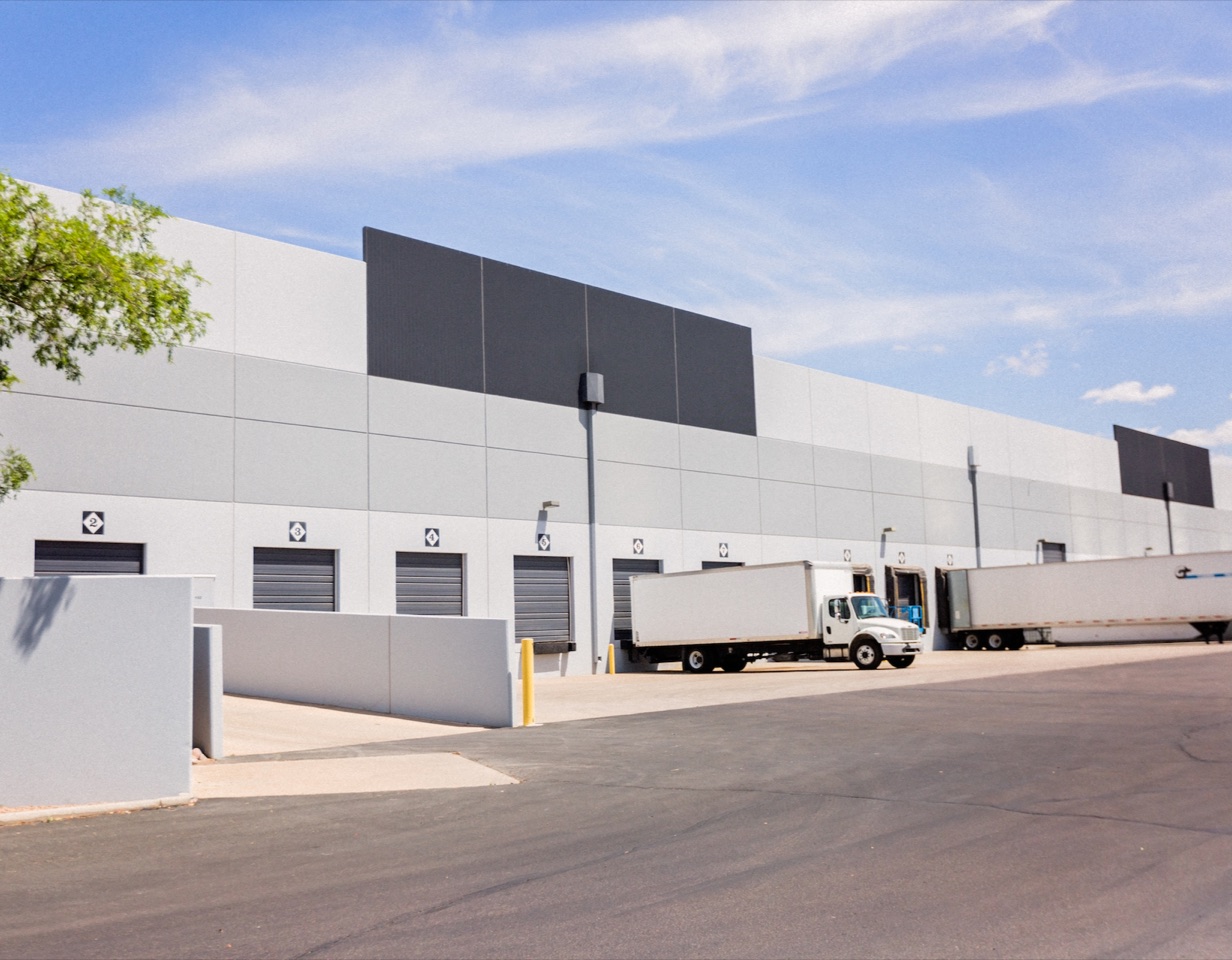
Exterior of SKU Distribution's Foreign Trade Zone warehouse in Mesa, Arizona, with trucks at the loading docks
For import-heavy businesses, duty timing can tie up a significant amount of working capital. With FTZ procedures, eligible foreign merchandise can be admitted into the zone before formal customs entry and duty payment. Duties are generally paid when that merchandise leaves the FTZ and enters U.S. commerce.
And if qualifying foreign merchandise is re-exported instead of entering the U.S. market, U.S. duties can be avoided. FTZ users may also benefit from streamlined customs procedures such as weekly entry, which can reduce the number of customs entries and associated Merchandise Processing Fees.
A Foreign-Trade Zone is a designated U.S. location where special customs procedures can be used for eligible foreign merchandise. Goods admitted into an activated FTZ can generally remain there without formal customs entry or duty payment until they leave the zone and enter U.S. commerce.
For import-heavy businesses, that changes the timing of when duties are paid. Instead of paying duties when inventory first arrives in the U.S., eligible duties can be deferred while the merchandise remains in the FTZ.
If qualifying foreign merchandise is re-exported directly from the FTZ rather than entering the U.S. market, U.S. customs duties can generally be avoided.
FTZ procedures can also streamline customs activity and support weekly entry, which may reduce the number of customs entries and associated Merchandise Processing Fees for qualifying operations.

SKU Distribution is expanding Foreign-Trade Zone capacity across three Arizona facilities, giving import-heavy ecommerce brands, manufacturers and distributors room to receive, store and fulfill inventory through an FTZ-enabled 3PL operation.
Our current activated Mesa facility supports FTZ warehousing and fulfillment today, with two additional approved SKU locations nearing activation. The expanded network is being built to support growing inventory and higher D2C, retail and B2B order volumes.
Brands can support ecommerce, D2C, retail and B2B fulfillment from shared inventory instead of separating imported goods across multiple warehouse partners and disconnected systems.
As additional locations come online, SKU will extend the same FTZ-enabled fulfillment model across a larger Arizona footprint while maintaining connected inventory visibility, order management and distribution workflows.
Imported merchandise can move into SKU Distribution’s activated Foreign-Trade Zone in Arizona before formal customs entry and duty payment, giving import-heavy ecommerce brands and distributors a more flexible way to manage inventory entering the U.S.
Once admitted into the FTZ, eligible inventory can be received, stored, managed and prepared for D2C, retail and B2B fulfillment while applicable duties remain deferred until the merchandise enters U.S. commerce.
When customer, retail or B2B orders are released into the U.S. market, the appropriate customs entry is made and applicable duties are generally paid at that point — bringing duty timing closer to when inventory is actually moving toward a sale.
If qualifying foreign merchandise is re-exported instead of entering the U.S. market, it can leave the FTZ without incurring U.S. customs duties. That gives brands serving both domestic and international customers greater flexibility from the same inventory operation.
Duty deferral: Eligible foreign merchandise can remain in the FTZ without immediate duty payment, allowing import-heavy businesses to preserve working capital while inventory is stored and waiting to enter U.S. commerce.
Re-export savings: Qualifying foreign merchandise re-exported directly from the FTZ generally does not incur U.S. customs duties, creating a meaningful advantage for businesses serving both U.S. and international markets.
Weekly entry and MPF savings: Eligible FTZ users may consolidate customs activity into a single weekly entry rather than filing multiple entries throughout the week, potentially reducing the number of Merchandise Processing Fees paid.
Better cash-flow timing: By moving duty payment closer to the point when inventory enters U.S. commerce, an FTZ can help growing ecommerce brands, manufacturers and distributors better align customs costs with inventory movement and sales.

Built for accuracy, backed by results.

Our fulfillment operations are built on precision logistics and real-time inventory management, delivering industry-leading accuracy rates across every order.

99.99%
Order fulfillment accuracy
99%
Inventory accuracy
12%
Freight savings

Frequently asked questions

Everything you need to know about working with SKU Distribution, from onboarding to shipping cutoffs.

SKU Distribution works with growing ecommerce brands, manufacturers, importers, wholesalers and established businesses that need reliable fulfillment across D2C, retail and B2B channels. We are especially well suited for companies whose order volume, channel complexity or inventory requirements have outgrown a manual or one-size-fits-all fulfillment solution.

Onboarding depends on your SKU count, inventory volume, integrations and operational requirements. Before launch, our team maps receiving, inventory setup, order workflows, shipping rules and system integrations so both teams know exactly how the transition will work. For straightforward accounts, onboarding can move quickly; more complex operations are planned around a defined implementation timeline.

SKU integrates with major ecommerce platforms, marketplaces and business systems, including Shopify, WooCommerce, NetSuite, SAP, Amazon and other leading platforms. We also support ERP, EDI and custom integration workflows. During onboarding, we review your technology stack and determine the best integration path for orders, inventory, shipping and reporting.

SKU Distribution operates fulfillment and warehousing facilities in Arizona’s Phoenix metropolitan area. Our location provides access to major Western U.S. markets, national parcel and freight networks, and international transportation routes while also supporting Foreign-Trade Zone operations for qualifying imported inventory.

Eligible imported goods can enter an activated Foreign-Trade Zone without immediately triggering U.S. duties. Duties are generally deferred until merchandise leaves the zone and enters U.S. commerce, helping businesses preserve cash while inventory is stored. Qualifying imported goods that are later re-exported can also avoid U.S. duties.

Returns are processed according to your business rules. SKU can receive, inspect and route returned inventory for restocking, quarantine, refurbishment or another defined disposition. The goal is to give your team visibility into returned inventory while getting sellable products back into available stock quickly.

SKU supports same-day fulfillment based on agreed order cutoff times, service requirements and carrier schedules. Cutoff times are established during onboarding so your team has a clear operating standard for when orders must be received to qualify for same-day processing. Typical cutoff time is 1PM for same-day fulfillment.

Fulfillment pricing is built around the actual requirements of your operation, including monthly order volume, SKU count, receiving, storage, pick-and-pack activity, shipping profile and any value-added services. We price around how your business actually operates rather than forcing every client into the same package. Pricing is very transparent without hidden fees.

Yes. SKU can support D2C, retail, wholesale and B2B fulfillment from a shared inventory operation, helping businesses avoid unnecessary inventory silos while supporting the different workflows, labeling, EDI and shipping requirements of each sales channel.

Yes. Moving inventory from an existing 3PL requires careful planning around inventory reconciliation, integrations, receiving schedules and order continuity. SKU works with your team to build a transition plan designed to minimize disruption while inventory and order flows move into the new operation.

2225 E Germann Rd, Chandler, AZ 85286, United States

Talk with our fulfillment team

Have questions about fulfillment, warehousing, Foreign-Trade Zone services, lithium-ion battery storage or integrations? Tell us what you need and a member of our team will follow up.

First Name *
Fill out this field
Last Name *
Fill out this field
Email *
Please enter a valid email address.
Message *
Fill out this field

As seen in

The Wall Street Journal
FOX 10 Phoenix
Reuters
The Arizona Republic
Phoenix Business Journal