
Seasonal brands buy once and sell in a rush. The production run is booked months ahead, the freight lands well before customers start looking, and a whole season of stock has to wait somewhere in between. Overflow warehousing gives that stock a place to wait, and for a seasonal brand it is a planned part of every year.
The build-up before the season is the part every brand plans for. Further down, we turn to the stock that gets far less planning: the units still on the rack when the season closes, and what they cost you while they wait for the next one.
TL;DR
- Overflow warehousing is extra space outside your main facility, rented for the months when inventory outgrows it.
- Seasonal stock lands in a few large lots and sells in a short window, so the build-up needs room well before the first sale.
- The leftovers need a plan as well. Carryover can wait most of a year, and if it was imported, the duty on it may already be paid.
- Overflow space has to suit the product. Batteries, heat-sensitive lines, and bulky freight shorten the list of buildings that can take them.
- Reserve stock kept where orders are packed can be split between channels late, once you know whether retailers or your own store is selling faster.
What Is Overflow Warehousing, And Why Is It Different For Seasonal Brands?
An overflow warehouse is additional storage you use when inventory outgrows your main facility, usually on terms measured in months. For most businesses the trigger is a surprise: a bulk buy at a good price, a slow quarter, a supplier shipping early. A seasonal brand can name its trigger a year in advance, because the season sets it.
That covers more businesses than you might think. Ski and snowboard gear, camping and paddle sports, pool and patio, holiday gifting, back-to-school, and the portable power stations many households buy ahead of storm season all sell on a calendar. Outdoor recreation alone added $696.7 billion to the US economy in 2024, according to the Bureau of Economic Analysis, with snow activities accounting for $7.6 billion of it.
Why Seasonal Brands Rely On An Overflow Warehouse Twice A Year
Before The Season: A Full Season Of Stock, Landing At Once
A seasonal brand usually places one production run per season, sometimes two, and the goods arrive in a few large lots long before anyone buys them. Rising costs can pull that date even earlier. When importers moved storable goods ahead of the 2025 tariff increases, US imports for the first three months of the year ran 26.5% above the same period of 2024, the Federal Reserve Bank of Dallas found.
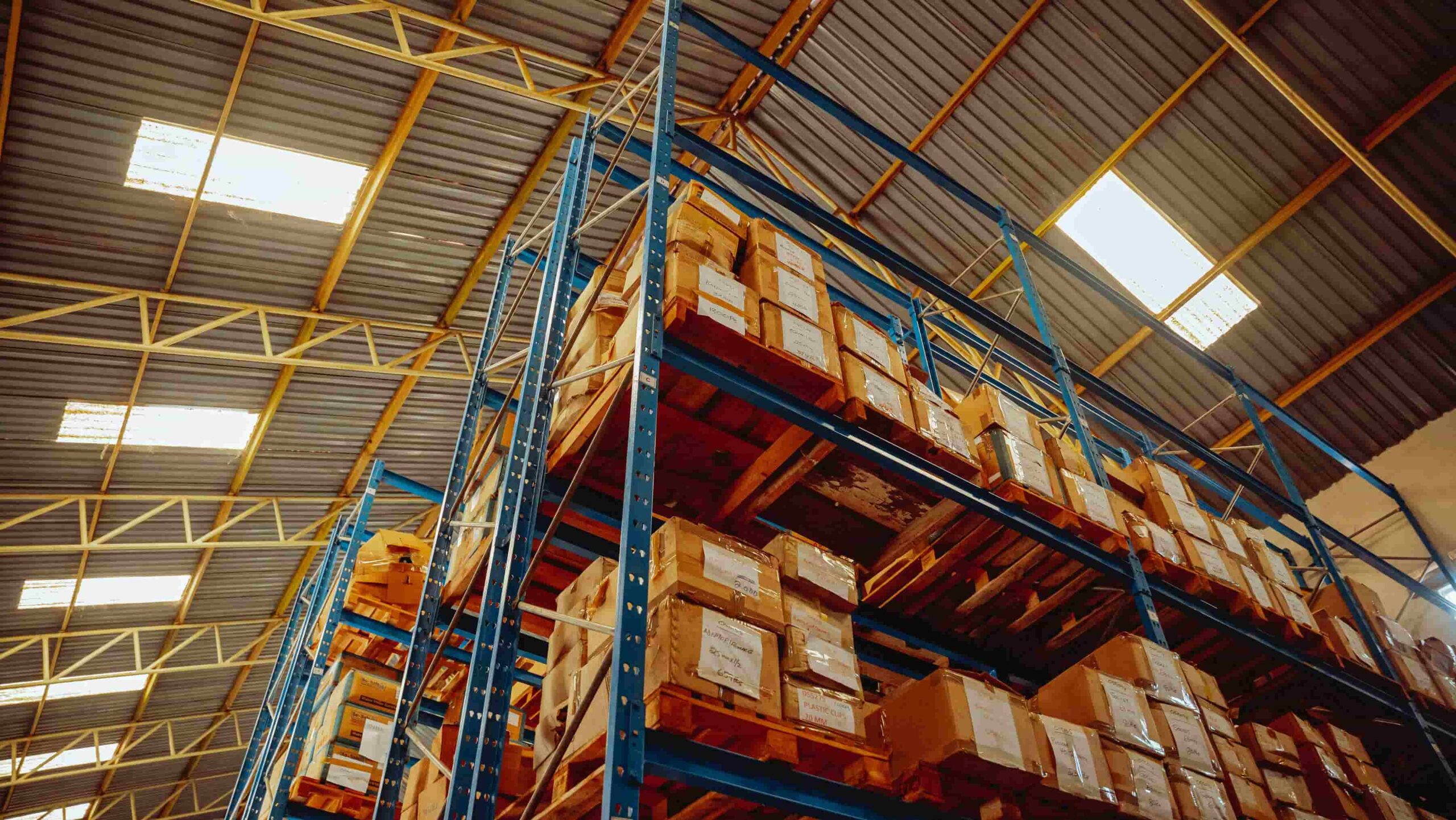
None of that early stock needs to sit beside a packing line. It needs a dry place to wait, with every pallet on record, until the season opens. One of our three buildings in Chandler, Arizona, is set aside for exactly that as part of our warehousing and fulfillment services: long-term storage, where pallets stay put until you call them forward.
After The Season: The Stock That Waits A Year
Every season closes with product left over. Some of it deserves a markdown. Much of it is good stock that simply missed its window and will sell at full price next year, provided it spends the months in between somewhere that costs little and keeps it sellable.
Imported carryover brings an extra cost into that wait. As the same Dallas Fed analysis shows, the average US tariff rate rose from 2.9% in January 2025 to 14.8% by December, so duty paid on a pallet that then sits through an off-season is cash doing nothing for most of a year.
Inside our Foreign Trade Zone, the first granted to a 3PL in Arizona, the carryover question gets simpler. Pallets that missed the season have never been entered into US commerce, so the off-season costs their rack space and nothing more. If next year’s plan sends some of that stock abroad, to a market where winter falls in July, it can leave without US duty ever being paid.
Contact SKU Distribution today to discuss how our FTZ status and fulfillment expertise can improve your margins and accelerate your growth.
Peak Season Overflow Warehousing Has To Suit The Product
Plenty of buildings will take a pallet of T-shirts. Far fewer will take items many seasonal brands sell at peak, and the time to find that out is before the container sails.
- Battery-powered products. E-bikes, power stations, heated jackets, and electric gifts all have seasons of their own, and general warehouse space is often not permitted for lithium-ion cells. Our lithium-ion battery storage site is approved for them, whatever the size of the pack.
- Heat-sensitive lines. Sunscreen and other summer products sell in the hottest months, which is exactly when an uncooled building does them the most damage. Supplement and beauty stock held in reserve through a summer runs the same risk, so we keep these lines in our temperature-controlled, FDA-certified building, the one their orders ship from.
- Bulky freight. Kayaks, patio sets, and solar kits take up floor space rather than rack space, and some cannot go indoors at all. Our battery and oversized building has gated outdoor space for that kind of freight.
Overflow Distribution Warehousing That Lets You Choose The Channel Later
Many seasonal brands sell through both retailers and their own site. The thing is that, in August, nobody knows which channel will move the stock faster. Send the reserve to a storage-only site and you have to commit it early: this many pallets for store replenishment, this many for direct orders. Guess wrong, and one channel runs short in December while the other sits on stock it cannot sell fast enough.
If kept in the same operation that packs your web orders and builds your retail shipments, the reserve can stay unallocated until sell-through data shows where it belongs. Our omnichannel fulfillment floor ships parcels and store orders from one stock, while our retail fulfillment services already supply chains such as REI and Backcountry.
Holding the reserve this way is where overflow warehousing and logistics stop being two separate contracts. When the season opens, stock moves from our storage building to the fulfillment floor under one inventory record, visible in your own system through our integrations. Orders leave within 24 hours at 99.8% accuracy, and the busiest weeks run through bagging and box-making equipment we have invested in, so the pace holds when order counts jump.
A Promise That Outlasts The Season
A seasonal brand keeps its promises in a few crowded weeks, but the stock behind them spends most of the year waiting. Where it waits decides what it costs before it sells, and how quickly it reaches a customer once it does.
You make the promises; we fulfill them. Two figures on your current stock report deserve a look this week: how many units from last season are still waiting for the next one, and how much duty has already been paid on them. Contact us to bring both into your first conversation with us about next season’s overflow.
Frequently Asked Questions
What does an overflow warehouse hold for a seasonal brand?
Mostly two kinds of stock at different points in the year. Before the season, it holds the bulk of the production run while the fulfillment floor ships what is selling now. After it, it holds carryover that goes back on sale next year. Some brands also keep packaging, displays, and gift set components there ahead of a holiday build.
How is overflow warehouse storage priced?
Most providers charge per pallet position per month, plus fees for receiving stock and for sending it out. The rate depends mostly on how many pallets you store, how long they stay, and how often stock moves in and out. Products that need permitted battery space or temperature control usually cost more to store than goods on standard racking.
When should a seasonal brand line up overflow space?
When the production order is placed, since that is when the landing date becomes known. Space permitted for batteries or held at a controlled temperature is limited, and brands in the same category tend to need it in the same weeks.
Can overflow stock and fulfillment stock share one inventory record?
They should, or the season ends with units nobody can find. Ours sit in one record across all three buildings and show up in your store or ERP, so a pallet in long-term storage appears in the same report as the units on the pick floor.